 Email: info@ckda.vn
 1900 988 932




WHY ALUMINUM IS REPLACING TRADITIONAL MATERIALS IN TRANSPORTATION INFRASTRUCTURE
For decades, steel and concrete have been the dominant materials in transportation infrastructure projects. However, as cities expand and infrastructure systems become more complex, material selection is no longer driven solely by strength and availability. Today’s projects must address efficiency, lifecycle cost, and sustainability. In this evolving landscape, aluminum is increasingly replacing traditional materials across various transportation infrastructure applications.
Changing demands in modern infrastructure
Modern transportation infrastructure is expected to deliver more than structural performance. Projects must now:
-
Optimize structural load
-
Perform reliably in outdoor environments
-
Minimize long-term maintenance costs
-
Align with environmental and ESG objectives
These evolving requirements have exposed the limitations of conventional materials, particularly in secondary structures such as pedestrian bridges, guardrails, handrails, median barriers, signage systems, and lighting structures.
Lightweight advantage and structural efficiency
One of aluminum’s most significant advantages is its lightweight nature. Compared to steel, aluminum offers a much lower density while maintaining sufficient mechanical strength for many infrastructure applications.
This allows project teams to:
-
Reduce loads on foundations and primary structures
-
Simplify transportation and on-site installation
-
Improve feasibility for retrofit and upgrade projects
For pedestrian bridges and modular infrastructure components, aluminum enables faster construction and greater design flexibility.
Corrosion resistance and long-term durability
Transportation infrastructure operates in harsh environments exposed to weather, humidity, pollution, and de-icing chemicals. While steel requires protective coatings and frequent maintenance to prevent corrosion, aluminum naturally forms a protective oxide layer that provides excellent corrosion resistance.
As a result:
-
Maintenance requirements are significantly reduced
-
Service interruptions are minimized
-
Structural appearance remains consistent over time
For public infrastructure owners, this durability translates directly into operational reliability and cost savings.
Lifecycle cost efficiency
Although aluminum may involve higher upfront material costs, it often delivers superior value when evaluated over the entire lifecycle of a project. Reduced maintenance, longer service life, and recyclability contribute to lower total cost of ownership.
This lifecycle perspective has led many infrastructure authorities and consultants to specify aluminum for long-term transportation projects.
Aluminum and sustainability goals
Sustainability is now a central consideration in infrastructure investment. Aluminum’s high recyclability makes it one of the most environmentally responsible construction materials available. It can be recycled repeatedly without losing performance, significantly reducing carbon emissions over its lifecycle.
As ESG standards become increasingly important for infrastructure funding and approval, aluminum aligns well with long-term sustainability objectives.
The importance of reliable aluminum suppliers
Successfully integrating aluminum into transportation infrastructure requires more than selecting the right material—it requires working with capable and reliable suppliers. Consistent quality, standardized production, and project-specific technical support are essential to ensure performance and safety.
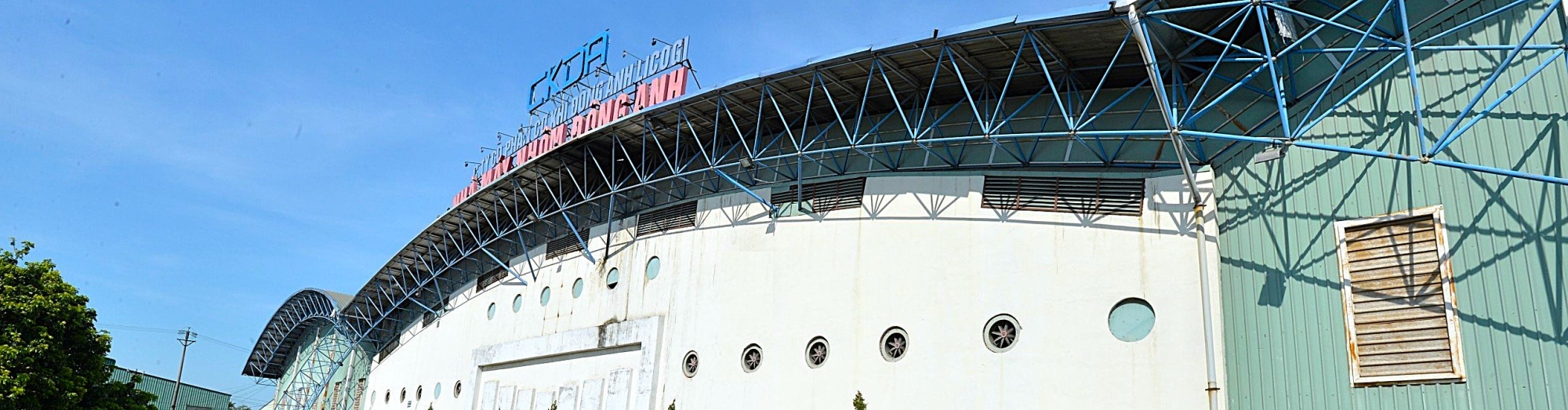
At Dong Anh Mechanical Joint Stock Company – LICOGI (CKDA), aluminum solutions are developed with a long-term infrastructure mindset. CKDA focuses on quality control, application-specific design, and consistent production to support transportation projects across their full lifecycle.
Conclusion
The transition from traditional materials to aluminum in transportation infrastructure reflects a broader shift toward efficiency, durability, and sustainability. As infrastructure demands continue to evolve, aluminum is no longer an alternative—it is becoming a core material shaping the future of modern transportation systems.


