 Email: info@ckda.vn
 1900 988 932




WHERE MATERIAL CHOICES MEET ESG GOALS
As urbanization accelerates and transportation infrastructure investments continue to grow, material selection is no longer driven solely by cost or availability. Today, investors, contractors, and design consultants face increasing pressure to comply with ESG (Environmental, Social, and Governance) standards—requiring infrastructure projects to deliver not only technical performance but also environmental and social responsibility.
Within this context, aluminum is emerging as a strategic material for modern transportation infrastructure.
Aluminum and environmental performance
Compared to traditional construction materials, aluminum offers significant advantages in terms of lightweight properties, recyclability, and long service life. In applications such as pedestrian bridges, guardrails, handrails, traffic signage, and auxiliary road structures, aluminum reduces structural load, enabling more efficient foundation design and lower overall material consumption.
Most importantly, aluminum is almost infinitely recyclable without loss of mechanical performance. This characteristic significantly lowers carbon emissions across the project lifecycle—an increasingly critical factor for governments, financial institutions, and international investors.
Durability and lifecycle cost efficiency
Transportation infrastructure operates in harsh environments exposed to weather, humidity, pollution, and chemicals. Aluminum’s excellent corrosion resistance provides a clear advantage, requiring less maintenance compared to conventional steel structures.
For large-scale infrastructure projects, the true cost lies not in initial investment, but in lifecycle cost management. High-quality aluminum solutions extend service life, reduce downtime, and minimize long-term maintenance budgets—key considerations for sustainable infrastructure planning.
ESG and supply chain transparency
ESG compliance extends beyond material performance to include supply chain transparency and governance. Modern infrastructure projects increasingly require suppliers to demonstrate traceability, standardized production processes, and compliance with environmental and safety regulations.
This shift raises expectations for aluminum manufacturers—not only to meet technical specifications, but also to implement robust quality management and traceability systems.
The role of suppliers in sustainable infrastructure
Sustainable infrastructure cannot be built on short-term decisions. Selecting aluminum suppliers today means evaluating long-term capability, consistency, and commitment to project performance over decades.
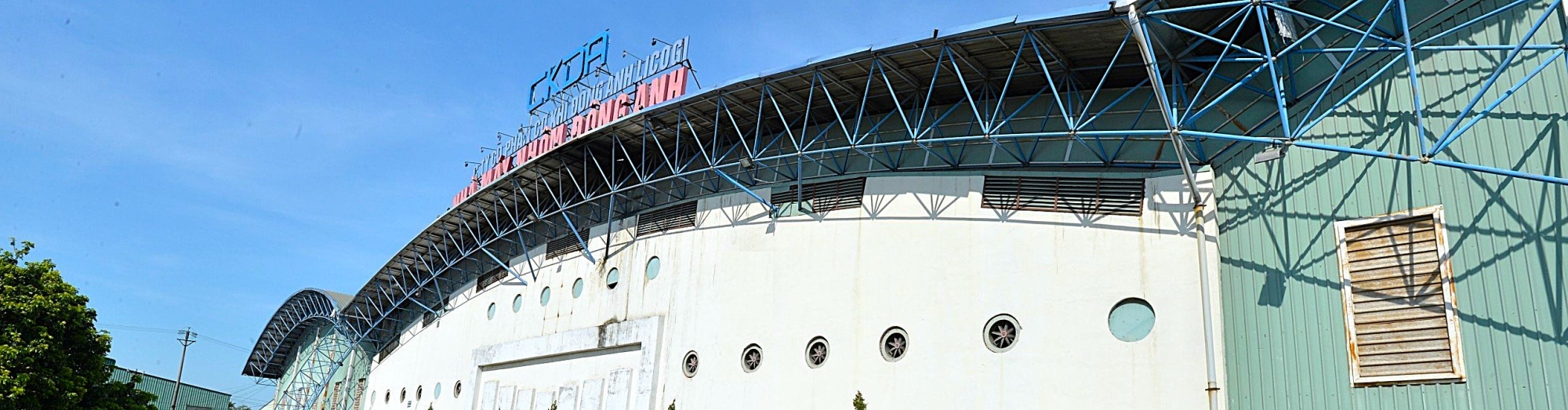
At Dong Anh Mechanical Joint Stock Company – LICOGI (CKDA), we view aluminum supply as a long-term partnership rather than a transactional service. CKDA invests in quality control, product optimization, and batch consistency to support transportation infrastructure projects that meet both technical and ESG requirements.
As transportation networks expand and sustainability standards continue to rise, aluminum will not merely replace traditional materials—it will serve as a foundation for resilient, responsible infrastructure development.


