 Email: info@ckda.vn
 1900 988 932




ESG TRENDS AND SUSTAINABLE DEVELOPMENT
As global infrastructure development faces increasing pressure from environmental, social, and governance (ESG) requirements, material selection is no longer based solely on structural performance or initial cost. Today, infrastructure stakeholders prioritize materials that deliver long-term efficiency, durability, and sustainability. Within this context, aluminum is emerging as a key material in modern transportation infrastructure.
ESG as a new benchmark for infrastructure projects
ESG criteria have become an essential framework for transportation infrastructure projects, particularly in public works and urban mobility systems. Modern bridges, pedestrian crossings, and road infrastructure must demonstrate not only technical reliability but also positive environmental and social impact, along with transparent long-term governance.
The environmental pillar is especially critical, focusing on carbon reduction, sustainable material use, and lifecycle optimization—areas where aluminum offers significant advantages.
Environmental benefits of aluminum
Aluminum is highly recyclable, retaining its material properties through repeated recycling cycles. This significantly reduces carbon emissions over the product lifecycle compared to many traditional construction materials. The use of aluminum in guardrails, handrails, pedestrian bridge components, and auxiliary infrastructure supports circular economy principles and sustainable supply chains.
Additionally, aluminum’s natural corrosion resistance extends service life and reduces the need for frequent replacement or maintenance, further lowering environmental impact.
Social impact and infrastructure safety
From a social perspective, transportation infrastructure plays a vital role in public safety and quality of life. Aluminum enables the design of lightweight, safe, and adaptable structures, making it ideal for pedestrian bridges and roadside safety systems.
Its durability ensures consistent performance over time, helping maintain safe conditions for users while preserving the visual quality of public spaces.
Governance and long-term performance
The governance component of ESG emphasizes long-term planning, cost transparency, and operational efficiency. Aluminum’s low lifecycle cost supports these objectives by reducing long-term maintenance expenses and minimizing service disruptions.
Choosing aluminum reflects a governance approach focused on sustainable value creation rather than short-term cost savings.
Future trends in aluminum infrastructure
Looking ahead, aluminum is expected to play an increasingly prominent role in transportation infrastructure—particularly in urban environments where sustainability, aesthetics, and efficiency are critical. Lightweight pedestrian bridges, modular systems, and green mobility infrastructure will continue to drive demand for aluminum-based solutions.
The role of responsible aluminum suppliers
Meeting ESG objectives requires more than selecting the right material; it depends on working with reliable and responsible suppliers. Suppliers must ensure consistent quality, technical compliance, and sustainable production practices.
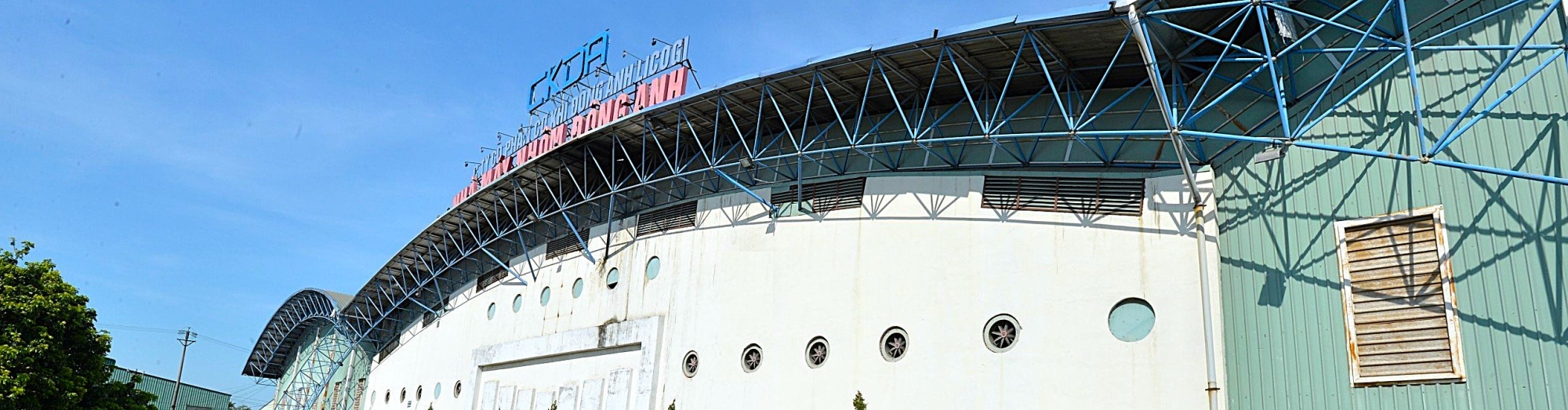
At Dong Anh Mechanical (CKDA), aluminum solutions are developed with long-term infrastructure performance in mind. By focusing on quality control, project-specific solutions, and sustainable practices, CKDA supports contractors and infrastructure developers in delivering ESG-aligned transportation projects.
Conclusion
ESG considerations are reshaping the future of transportation infrastructure. With its environmental benefits, social value, and governance advantages, aluminum is becoming a strategic material for sustainable infrastructure development worldwide.


