 Email: info@ckda.vn
 1900 988 932




GUARDRAILS & HANDRAILS IN TRANSPORTATION INFRASTRUCTURE
In modern transportation infrastructure projects, guardrails and handrails are often overlooked compared to large structural elements. Yet, these components play a critical role in ensuring safety, guiding pedestrian movement, and enhancing the overall quality of the project. In areas such as pedestrian bridges, overpasses, urban roads, and public walkways, guardrails and handrails are essential parts of the engineering system rather than secondary accessories.
The Role of Guardrails and Handrails in Infrastructure Projects
Guardrails and handrails are widely used in pedestrian bridges, road crossings, elevated walkways, safety corridors, and traffic-separated zones. Their functions go far beyond simple physical barriers.
They are designed to:
-
Protect pedestrians and road users
-
Guide movement and control access, especially at intersections
-
Prevent accidental entry into hazardous areas
-
Contribute to the visual identity of urban infrastructure
As cities expand and traffic density increases, these components must meet higher standards of performance and durability.
Material Selection and Technical Requirements
Outdoor infrastructure elements are constantly exposed to harsh conditions such as weather, vibration, pollution, and heavy usage. Guardrails and handrails installed on pedestrian bridges and road infrastructure must therefore meet strict technical requirements.
Key performance criteria include:
-
High structural strength and impact resistance
-
Excellent corrosion resistance in outdoor environments
-
Dimensional stability over long service life
-
Precision manufacturing to meet engineering drawings
Aluminum extrusions and high-quality metal systems are increasingly preferred due to their strength-to-weight ratio, durability, and suitability for standardized production.
Aesthetic Integration in Urban Design
Today’s pedestrian bridges and transportation structures are not purely functional. They are visible elements of the urban landscape. Guardrails and handrails contribute significantly to how a bridge or roadway is perceived by the public.
Well-designed systems help:
-
Create visual consistency across projects
-
Enhance the modern appearance of infrastructure
-
Improve user comfort and confidence
For contractors and project owners, early coordination of guardrail and handrail design helps minimize revisions during construction.
Standardized Production for Large-Scale Projects
Transportation infrastructure projects often involve tight schedules and large volumes. Guardrails and handrails must be manufactured with consistent quality and delivered on time to match construction progress.
This requires:
-
Reliable production capacity
-
Consistent quality across batches
-
Compliance with project specifications and standards
Choosing a capable manufacturing partner helps contractors reduce risks related to delays and rework.
CKDA’s Approach to Infrastructure Solutions
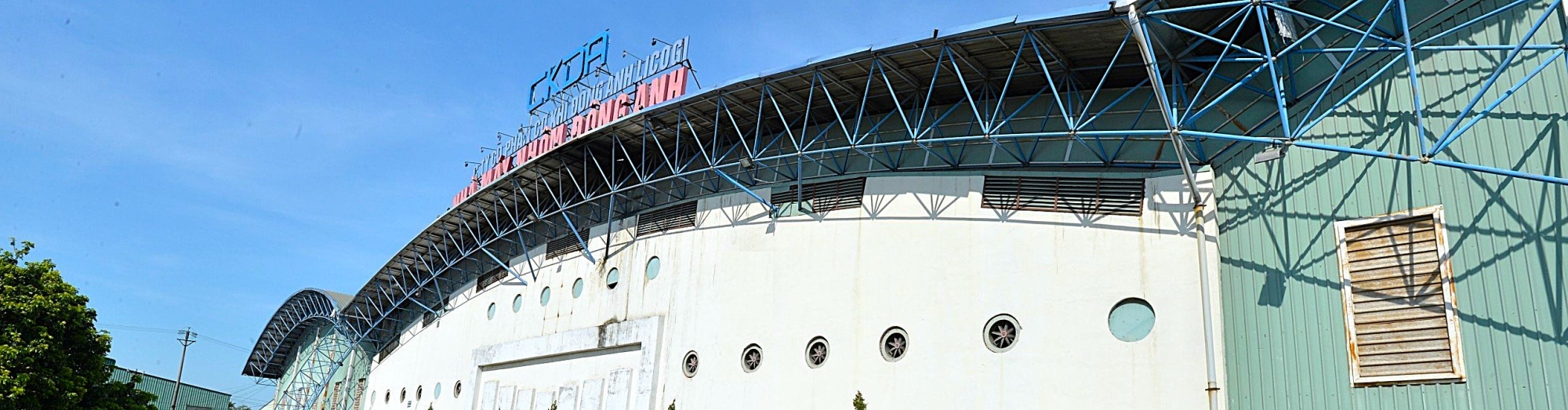
With extensive experience in mechanical engineering and aluminum systems, Dong Anh Mechanical Joint Stock Company (CKDA) provides guardrail and handrail solutions for various applications, including pedestrian bridges and transportation infrastructure.
CKDA focuses on:
-
Project-based customization
-
Strict quality control throughout production
-
Stable supply for large-scale infrastructure projects
-
Durable solutions for outdoor and public-use environments
Conclusion
Guardrails and handrails may appear to be minor elements, but they have a major impact on safety, functionality, and the long-term value of transportation infrastructure. For pedestrian bridges and roadway projects, investing in reliable, well-designed guardrail systems is an investment in safety and sustainability.


